 Practice Limited to Pediatric Dentistry
Pulp Therapy for Kids Grayslake
Saving Precious Teeth
Why Choose Kids Dentist
for Pulp Therapy?
-
Sedation Options
Available
for Anxious
Patients -
Special
Needs
Patients
Welcome - Pediatric Dentists with Years of Training and Experience
Does your child have a bad toothache? When bacteria have access to the inner layer of the tooth, which is called the pulp, these sensitive tissues can make your child miserable and negatively affect them in basically all aspects of life. Luckily, our skilled, compassionate pediatric dentists can perform pulp therapy in our Grayslake, IL, dental office to relieve their pain, save the tooth from extraction, and prevent further decay. Could your child need pulp therapy? Give our team a call and schedule an appointment with us!
Does Your Child Need Pulp Therapy?

The goal of pulp therapy is to treat problems that develop in the innermost layer of a tooth, known as its pulp. The pulp is home to blood vessels, nerves, and connective tissues. The only way to know for certain if your child needs pulp therapy is to bring them to a qualified dentist for an evaluation.
However, there are some easily recognizable signs that indicate an appointment with our team is in order:
- Your child is complaining that they have a toothache, or they are showing other signs of dental distress (for example, they may be avoiding certain foods).
- Their teeth are very sensitive to hot, cold, and acidic foods.
- You notice visible damage to one of your child’s teeth, such as a crack or chip.
- A tooth is discolored.
- The gums around a tooth are red and swollen.
- You see a bump on the gums near a tooth.
The Pulp Therapy Process
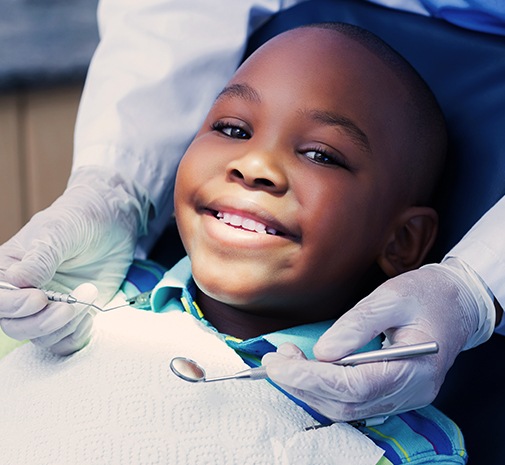
To get things started, we will numb your child’s mouth so they do not feel pain during their treatment. In some cases, we also administer nitrous oxide to make the appointment easier. Once your child is comfortable, we can start working on their tooth.
There are two types of pulp therapy:
- If the tooth is still vital, meaning it has blood flow and sensitivity to temperature, a pulpotomy may be the best course of action. In this procedure, the pulp located in the crown portion of the tooth is removed while the pulp within the roots is left intact. This approach is frequently used for baby teeth to prevent them from being lost prematurely.
- If the tooth has died (no longer has blood flow), a pulpectomy may be necessary. This involves extracting all of the pulp tissue from both its crown and the root canals. This treatment closely resembles the root canal procedures typically used on adults. (In fact, a pulpectomy is usually used on permanent teeth and rarely on baby ones.)
After pulp therapy, a crown is usually needed to protect the treated tooth from additional harm.
The Benefits of Pulp Therapy
Pulp therapy has the potential to provide some outstanding benefits:
- Pain relief: Pulp therapy may permanently relieve your child’s toothache.
- Prevents infections from spreading: Treating the infected pulp can stop a dental infection from spreading into nearby tissues or invading the bloodstream.
- Saves natural teeth: Preventing tooth extractions can lower the risk of dental drift and problems with your child’s natural oral development.
- Promotes normal eating: This treatment may enable your child to chew and eat without discomfort or significant dietary limitations.
- Supports speech development: When your child has all their teeth, they are more likely to learn to articulate their words properly.
Cost of Pulp Therapy

Understanding the cost of pulp therapy in Grayslake may be the last thing on your mind when learning your child needs this type of treatment. At Kids Dentist, our team is here to make sure your focus remains on what is most important, not the financial obligations that come with restorative care. This is why we will discuss the different factors that can determine how much your child’s treatment will cost and help you maximize available insurance benefits to lower your out-of-pocket expenses. If additional financing is required, do not worry. We’ll be here to answer any questions you might have.
Factors That Can Affect Pulp Therapy Costs
Each patient and case is different, so the cost of your child’s pulp therapy will likely vary from that of another child’s.
During your child's scheduled consultation, we will determine which tooth requires treatment (an incisor or a molar), as molars can be more complex and expensive to treat.
Is It Cheaper to Extract a Tooth?
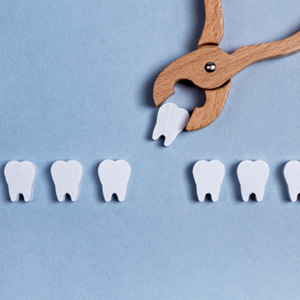
The answer is maybe, but is it the right approach? Not always. If a tooth is removed too early, it can lead to serious complications (i.e., dental drift). If their teeth start to shift to cover the gap, this can make it harder for their adult tooth to erupt, requiring orthodontics or additional extractions later. In this situation, we will need to insert a space maintainer to ensure proper eruption. This is an added expense, which can make extraction costlier than you might think.
Pulp therapy, however, preserves your child’s natural tooth until it’s time for it to fall out on its own. This can save you a lot of money in the long run, and the likelihood that your child will need additional dental intervention is slim.
Does Dental Insurance Cover Pulp Therapy?
If your plan is to use your dental insurance to help with the cost of your child’s pulp therapy, you’ll be pleased to learn that most companies offer partial coverage for treatment. Each plan is different, so the details may vary. You’ll need to review your available coverage to determine how much you can expect your dental insurance provider to pay. Generally, this type of restorative care will range from 50% to 80% coverage once you meet your deductible.
If you need help navigating your dental insurance plan, don’t hesitate to contact our office. Our team is here to help.
Other Options for Making Pulp Therapy Affordable

Paying out of pocket for pulp therapy may not be possible, even if your dental insurance covers a significant portion of the total bill. If you need help to pay your remaining balance, make sure to ask our team about applying for flexible financing through CareCredit. This third-party company offers various plans, many with low or no interest. You’ll be free to pay off your child’s bill over time instead of being required to come up with the total amount at one time.